GEOWEB Geocells Product Specification Summary
18 February 2026


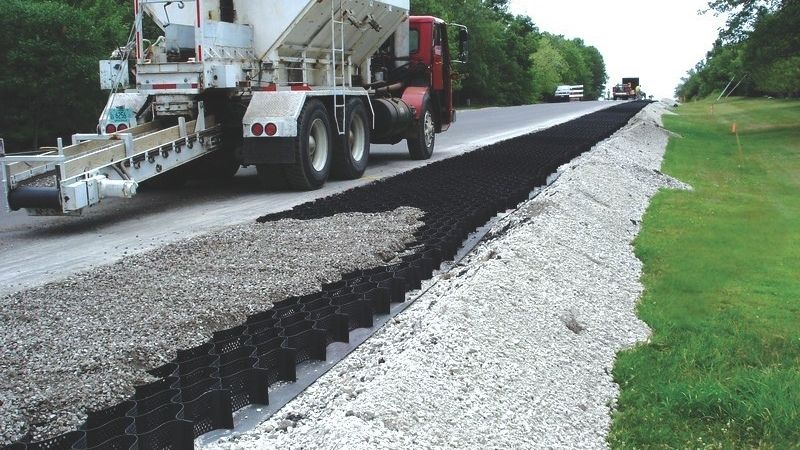
Infrastructure development for highways and road corridors faces many challenges when it comes to project design and construction. Building asphalt or concrete roadways over soft soils requires thick base layers of expensive stone, and pavement surfaces often fail just a few years after installation. Expanding road width requires steepening corridor embankments, leading to potential slope failure that can cause road closures and damage. Stormwater management alongside roads is an increasingly common concern due to limited construction space and larger storm events.
Presto Geosystems provides cost-effective, low-maintenance, quality solutions for all of these potential issues using our GEOWEB® 3D Soil Stabilization System. In this webinar, we will discuss how to utilize these solutions to address the challenges of aging infrastructure.
Learning Objectives:
I attest to having viewed the on-demand webinar and wish to proceed to my PDH certificate.
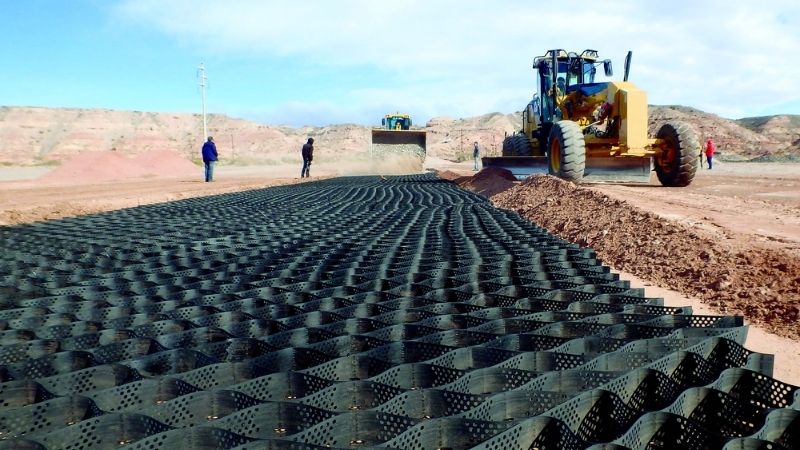
Budget overruns both in terms of cost and time are unfortunately common in today’s construction industry, primarily due to material shortages and tight deadlines. Public projects, in particular, face heightened scrutiny whenever overruns occur, often resulting in engineers and architects being held responsible for additional costs. While some issues can be quickly overcome as surprises, many delays can be anticipated with thorough research and market analysis during the design phase.
In this webinar, we will explore how the GEOWEB® Geocells can serve as a value-engineered solution to mitigate costly delays. Whether the GEOWEB system is implemented from the very beginning or adopted as a field solution after work has begun, it offers an innovative approach to reduce material costs and speed up installation time. The discussion will include a basic overview of the application types that the GEOWEB system can be used for, highlighting its flexible nature and suitability for challenging projects.
Additionally, project case studies will highlight the different ways the GEOWEB system can save both time and money, showcasing how Presto Geosystems is a leading expert in the geocell field. We will discuss when to consider value engineering your project and how to utilize the GEOWEB system to achieve a long-lasting, durable, and successful outcome without compromising quality.
Learning Objectives:
I attest to having viewed the on-demand webinar and wish to proceed to my PDH certificate.
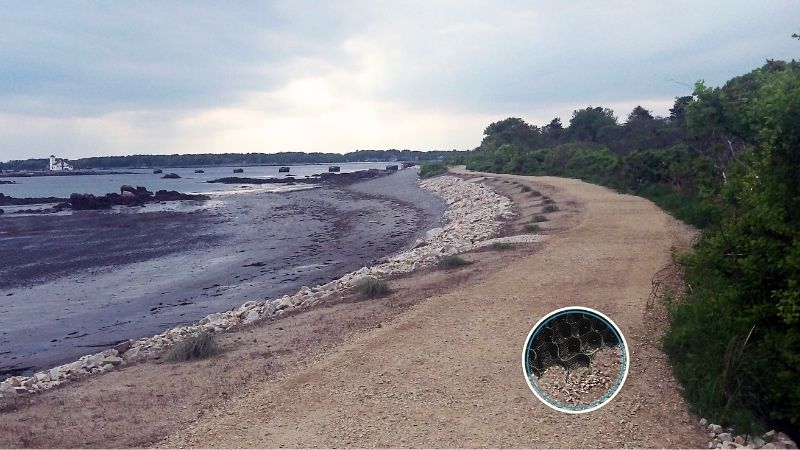
Coastlines can range from tranquil ponds and lazy streams to raging rivers and heavy-use lakes, all the way to ocean coastlines with constant wave action. All this water movement wreaks havoc on shoreline soils, constantly eroding riverbanks and beaches. This erosion overly steepens these slopes, leading to potential slides or other mass movement. And it threatens to undermine nearby roads, building foundations, or other infrastructure.
In this webinar, we will discuss how to incorporate the GEOWEB® Shoreline Stabilization System to help reduce shoreline and coastline erosion. The discussion will cover both main application types the GEOWEB system is suited for, including surficial erosion control and global stability. Different infill materials, such as vegetation, gravel, and concrete, can support erosion reduction in different ways, and address heavy wave action or other variable water flow conditions.
Additionally, project case studies will highlight the flexible nature of the GEOWEB system, and the ease with which it incorporates the surrounding environment and infrastructure, including supporting accessible walkway and drivable boat launches. We will show the GEOWEB geocells can be used to protect coastlines and shoreline from ever changing conditions.
Learning Objectives:
I attest to having viewed the on-demand webinar and wish to proceed to my PDH certificate.
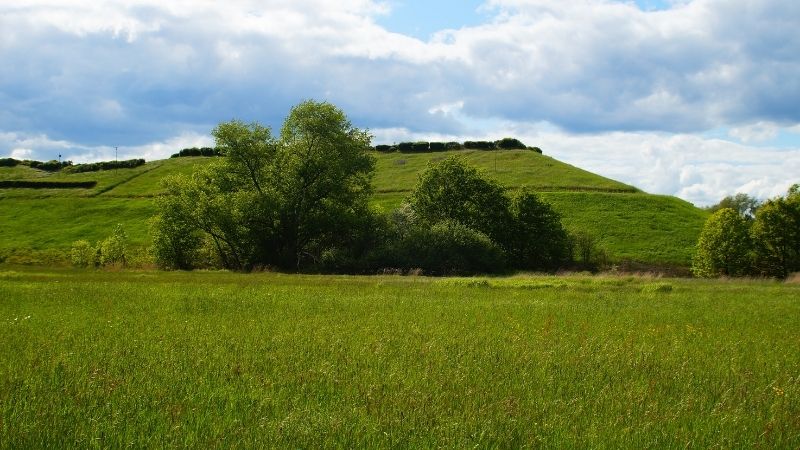
Designers and owner/operators face several geotechnical and environmental challenges in the landfill industry. Among them are slope stabilization and erosion prevention/control, stormwater management, geomembrane protection, access/haul road construction and maintenance, and management of long-term settlement issues at capped cells and closed facilities. The GEOWEB® Soil Stabilization System (geocells) can provide solutions for all of these issues.
Learning Objectives:
I attest to having viewed the on-demand webinar and wish to proceed to my PDH certificate.
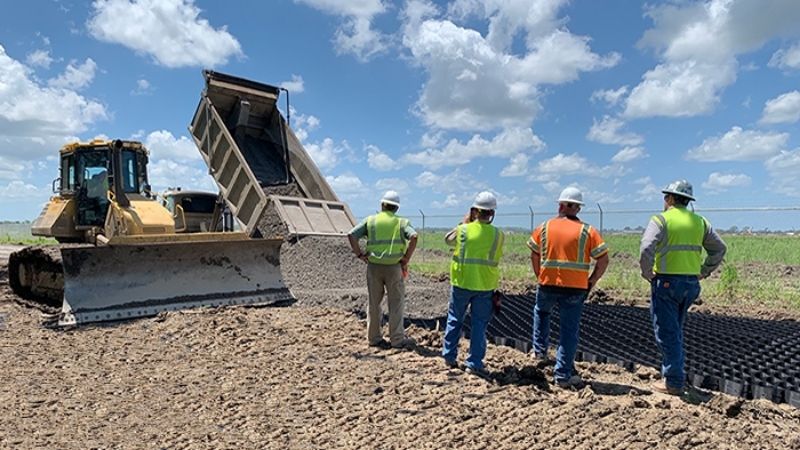
The energy industry continually faces complex challenges in project design and construction, ranging from constructing access roads over soft, wet soils, to managing touch and step hazards at electrical substations, stabilizing slopes in hilly or mountainous regions, and implementing efficient stormwater management plans.
Presto Geosystems provides cost-effective, low-maintenance, and high-quality solutions for overcoming these obstacles. We will discuss the various applications of our innovative products, including the GEOWEB® Soil Stabilization System (Geocells) and GEOTERRA® Construction Mats, and how they can help address the unique challenges faced by the energy industry.
In this webinar, you will learn about:
I attest to having viewed the on-demand webinar and wish to proceed to my PDH certificate.
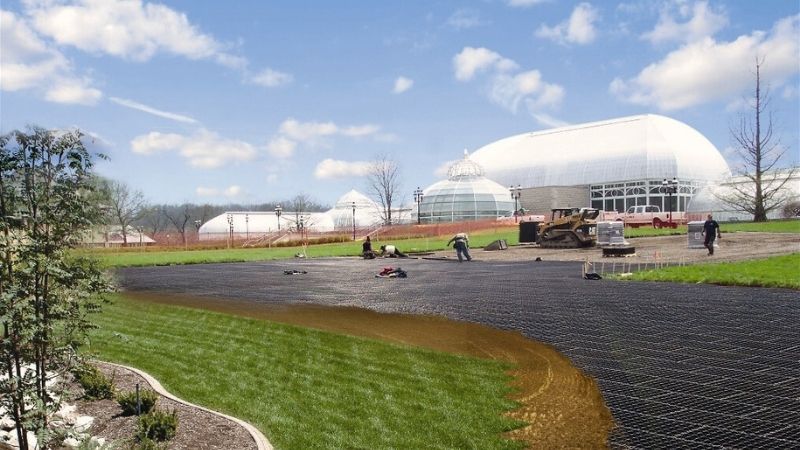
Stormwater management continues to be a critical concern due to increasingly stringent regulations. Retaining stormwater on-site is the preferred method, but traditional solutions like retention or detention ponds can be expensive, require significant maintenance, and take up valuable land. An innovative alternative is reducing the amount of impermeable surface on the site.
One way to achieve this is through the use of hard-surface porous pavements made of asphalt and concrete, which can be expensive and time-consuming to install. However, rigid plastic porous pavement systems offer a low-cost and easy-to-install alternative that can handle demanding load requirements. For example, Presto Geosystems’ porous pavers can be filled with either vegetation or aggregate to meet your project needs.
In this webinar, we explore the benefits of using porous pavement systems for stormwater management. Our expert presenter will discuss how these systems work, their durability and cost-effectiveness, and the various infill options available. We will also provide examples of successful projects that have implemented this innovative solution.
Learning Objectives:
I attest to having viewed the on-demand webinar and wish to proceed to my PDH certificate.
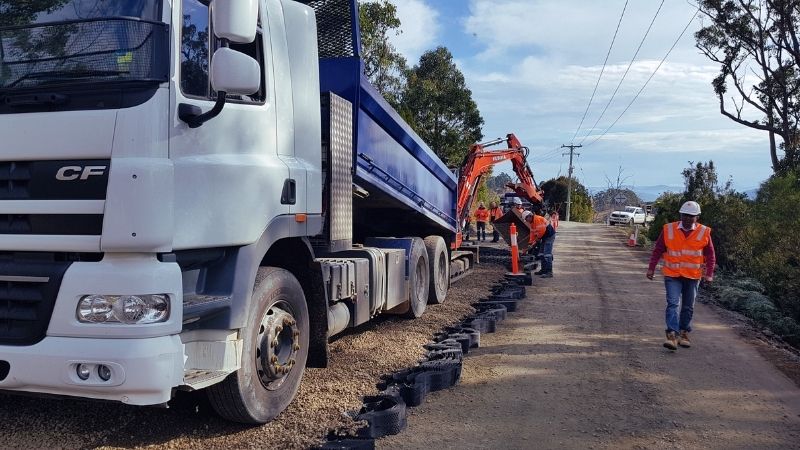
As infrastructure demands grow and environmental pressures increase, preserving the stability of roadway shoulders, ditches, and embankment slopes is essential to maintaining safety, longevity, and environmental protection. These areas are often vulnerable to erosion, structural degradation, and persistent maintenance challenges driven by water runoff, traffic loads, and shifting environmental conditions. Presto Geosystems offers reliable, cost-effective solutions to address these issues through the GEOWEB® 3D Soil Stabilization System. In this webinar, we’ll demonstrate how the GEOWEB System effectively stabilizes and reinforces roadway shoulders, drainage ditches, and embankment slopes.
Learning Objectives:
I attest to having viewed the on-demand webinar and wish to proceed to my PDH certificate.
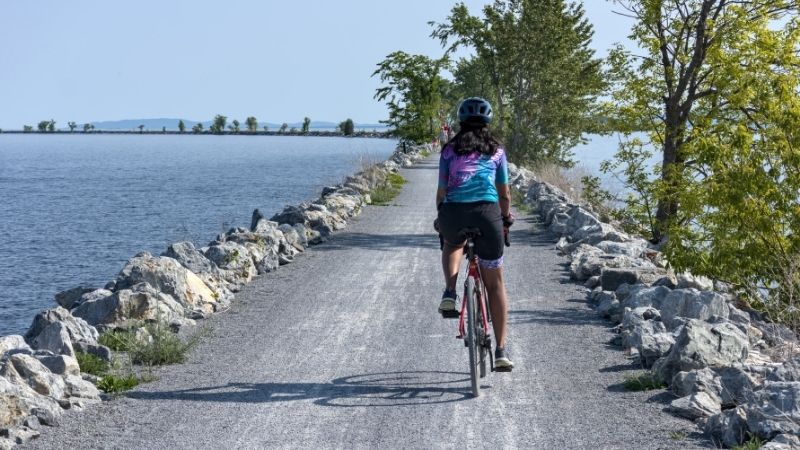
Trails and greenways play a vital role in communities by preserving and creating open spaces for low- or no-cost outdoor recreation. Trails designed with permeable surfaces rather than traditional concrete or asphalt allow for better environmental and stormwater management. Since recreational trails can be designed for a wide range of uses, including motorized and non-motorized traffic, it’s important to utilize a solution that is durable and flexible. In this webinar, we will explore a variety of soil stabilization and porous pavement products that can be tailored to the needs of individual projects—including those with hard-to-access areas and stormwater concerns. Multiple types of infill and anchoring methods allow for project customization, resulting in low-maintenance and attractive trails for years to come.
Trail embankment stabilization is another consideration when designing recreational trails. The embankments may be part of the existing natural terrain or result from cuts made to accommodate the construction of the new trails. Depending on embankment steepness, the GEOWEB® System can be used to stabilize slopes with single-layer protection or near-vertical, tiered retaining walls with a vegetated fascia. GEOWEB green slopes and living walls protect against erosion, reduce stormwater runoff, and create a natural environment for sustainable vegetation.
Learning Objectives:
I attest to having viewed the on-demand webinar and wish to proceed to my PDH certificate.
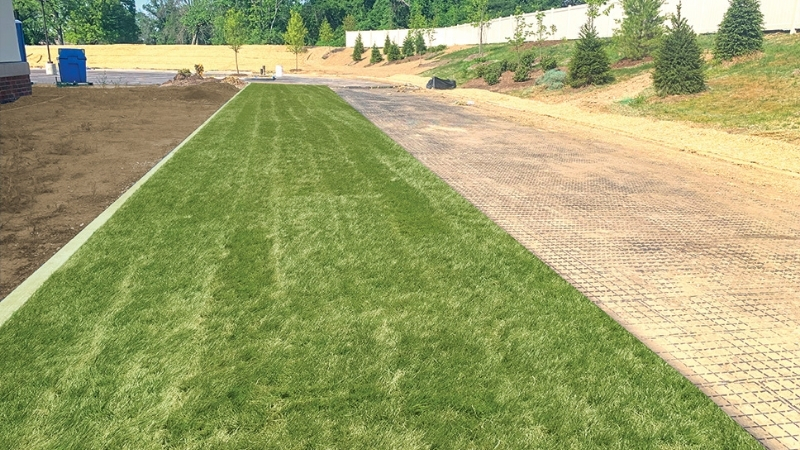
As our cities expand and new or renovated buildings are opened, it is vitally important to consider the need for emergency access of all areas of the community. Fire truck and emergency vehicle roads are necessary to allow these public health services access during an urgent situation. Although these drive lanes are intended for infrequent use, they must be designed to withstand the heavy loads of operational vehicles.
In this webinar, we will discuss how to incorporate geosynthetic reinforcement, including the GEOWEB® geocells, and rigid porous pavers like the GEOPAVE® Gravel Pavers and GEOBLOCK® Grass Pavers in constructing durable access roads. The discussion will include solutions for an array of applications, including concrete and asphalt support, gravel surface lanes, and vegetated surfaces for hidden emergency access roads.
Additionally, project case studies will highlight the versatility and effectiveness of these technologies. We’ll show how the GEOWEB® geocells can be used in soft soil environments, and in areas with extreme temperature variations, from cold to hot climates. Furthermore, we will explore how the GEOPAVE Gravel Pavers and GEOBLOCK Grass Pavers have been successfully utilized in environmentally sensitive locations, contributing to green building initiatives and sustainable urban development.
Learning Objectives:
I attest to having viewed the on-demand webinar and wish to proceed to my PDH certificate.


