

Off
Green Building & Landscaping
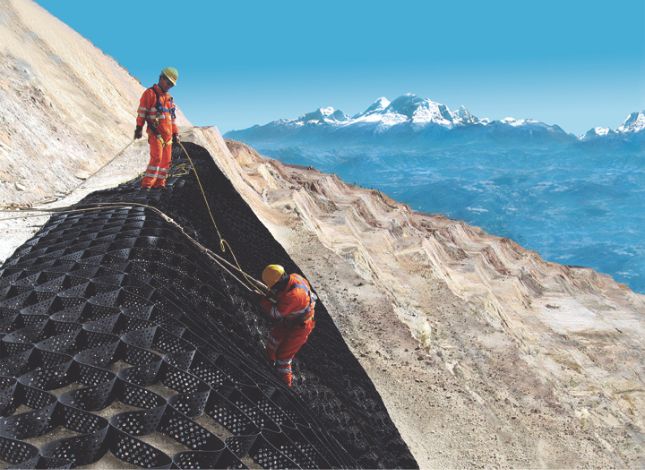
Fortifying Slope Surfaces Against Erosion with Geocells, Presented by JP George
Earthen slopes are naturally susceptible to erosion due to gravity, water, and surcharge loads. Slope failure can lead to unsightly conditions, landscape and property damage, and costly repairs. The GEOWEB® Soil Stabilization System protects soil slopes against these erosive forces. Even extremely steep or tall slopes can be secured with the GEOWEB system. Multiple types of infill and anchoring methods allow for project customization, resulting in a low-maintenance and attractive slope for years to come.
Learning Objectives:
- Understand the causes of slope surface erosion and how they lead to slope failure.
- Learn how the GEOWEB system can protect slopes against erosive forces.
- Learn how to apply GEOWEB Slope Protection Systems in a variety of project conditions.
- Know when the GEOWEB system is applicable, even on very steep slopes.
I attest to having viewed the on-demand webinar and wish to proceed to my PDH certificate.

Incorporating Low Impact Development and Green Infrastructure Practices for Enhanced Stormwater Management Presented by Sam Justice, P.E.
Today’s increasingly stringent environmental regulations continue to create the need for Low Impact Development (LID) and Green Infrastructure (GI) management on project sites. New and innovative methods must be used to limit hard surfaces such as parking lots, walkways, and emergency access lanes. Land access is at a premium, and areas of environmental protection are increasing, requiring builders and engineers to work with regulators to utilize both LID and GI practices.
Porous pavements are an easy and economical way to reduce the impervious surfaces on-site and restore the natural water cycle close to its source. Porous pavements have the added benefit of reducing the size of above-ground detention ponds and minimizing conveyance and treatment infrastructure. Stormwater diversion channels, roadside swales, and drainage ditches can be constructed with low-maintenance solutions, protecting against erosion and overflow concerns. Living green walls increase the amount of vegetation on-site, help promote water filtration from higher elevations, and allow access to more valuable land.
Learning Objectives:
- Learn what Low Impact Development and Green Infrastructure mean for residential and commercial project sites.
- Gain an understanding of the regulations governing these practices and how they have been met with traditional construction methods.
- Learn about porous pavement options and their benefits and limitations related to infiltration, runoff reduction, traffic, and performance.
- Understand how to manage urban stormwater through the design of vegetated channels that replace hard-surface systems and mitigate flooding potential.
I attest to having viewed the on-demand webinar and wish to proceed to my PDH certificate.
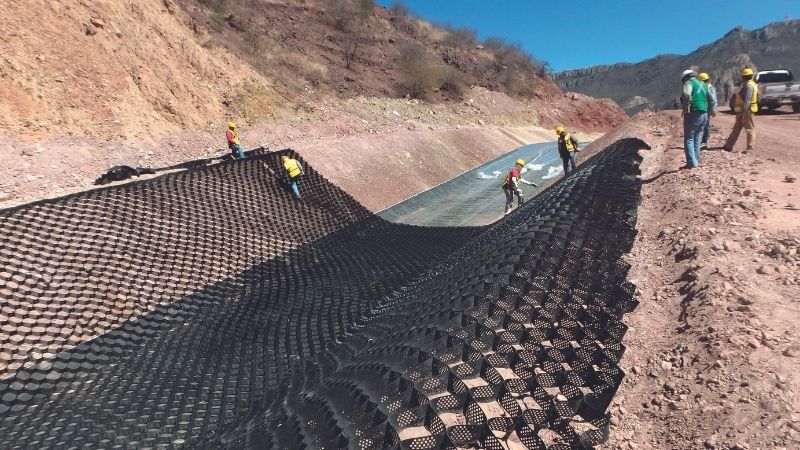
Explore Real-World Channel Protection Results with GEOWEB Geocells Presented by Bryan Wedin, P.E.
Join Presto Geosystems for a research-driven webinar showcasing the hydraulic performance of the GEOWEB® Channel Protection System. Based on accredited testing conducted at the Colorado State University Hydraulics Lab, this session highlights how the GEOWEB system performs in high-flow, steep-slope environments and offers a sustainable alternative to traditional hard armoring methods.
Learning Objectives
- Explore the proven advantages of GEOWEB-confined channel and slope protection, backed by accredited research and testing from the Colorado State University Hydraulics Lab.
- Discover the versatility of the GEOWEB confinement system, which adapts to various infill materials, construction conditions, and complex design requirements.
- Identify common applications of GEOWEB for effective channel and slope protection in diverse environments.
- Learn how to implement GEOWEB confinement solutions to manage various flow conditions and meet energy dissipation needs.
I attest to having viewed the on-demand webinar and wish to proceed to my PDH certificate.
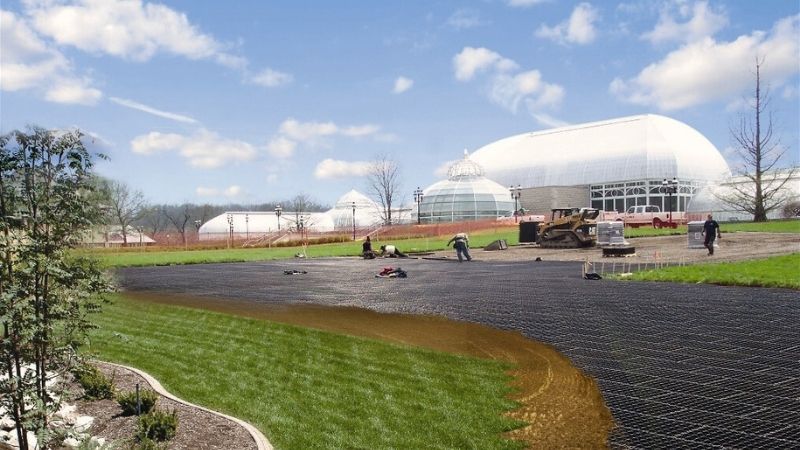
Reduce Stormwater Infrastructure with Vegetated & Aggregate Porous Pavements Presented by Sam Justice, P.E.
Stormwater management continues to be a critical concern due to increasingly stringent regulations. Retaining stormwater on-site is the preferred method, but traditional solutions like retention or detention ponds can be expensive, require significant maintenance, and take up valuable land. An innovative alternative is reducing the amount of impermeable surface on the site.
One way to achieve this is through the use of hard-surface porous pavements made of asphalt and concrete, which can be expensive and time-consuming to install. However, rigid plastic porous pavement systems offer a low-cost and easy-to-install alternative that can handle demanding load requirements. For example, Presto Geosystems’ porous pavers can be filled with either vegetation or aggregate to meet your project needs.
In this webinar, we explore the benefits of using porous pavement systems for stormwater management. Our expert presenter will discuss how these systems work, their durability and cost-effectiveness, and the various infill options available. We will also provide examples of successful projects that have implemented this innovative solution.
Learning Objectives:
- Identify the key design principles and sustainability benefits of porous pavement systems for stormwater management.
- Evaluate the performance of rigid and flexible porous pavements under different infill materials and traffic-loading conditions and select the appropriate system for your project.
- Apply best practices for utilizing porous pavements for a variety of project conditions.
- Demonstrate a comprehensive understanding of how porous pavements detain stormwater runoff and their effectiveness in reducing runoff volume and pollutants.
I attest to having viewed the on-demand webinar and wish to proceed to my PDH certificate.
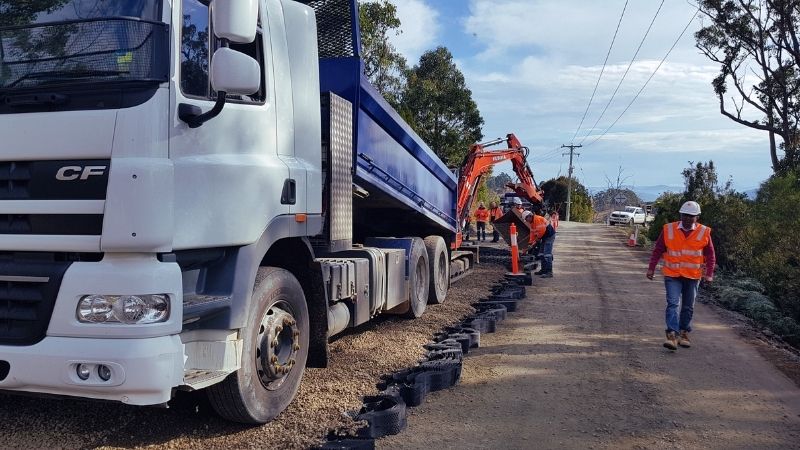
Extend the Life of Roadway Shoulders, Ditches & Slopes with GEOWEB® Geocells Presented by Bryan Wedin, P.E.
As infrastructure demands grow and environmental pressures increase, preserving the stability of roadway shoulders, ditches, and embankment slopes is essential to maintaining safety, longevity, and environmental protection. These areas are often vulnerable to erosion, structural degradation, and persistent maintenance challenges driven by water runoff, traffic loads, and shifting environmental conditions. Presto Geosystems offers reliable, cost-effective solutions to address these issues through the GEOWEB® 3D Soil Stabilization System. In this webinar, we’ll demonstrate how the GEOWEB System effectively stabilizes and reinforces roadway shoulders, drainage ditches, and embankment slopes.
Learning Objectives:
- Understand the benefits of using the GEOWEB Soil Stabilization System to stabilize roadway shoulders using various infill materials.
- Learn how 3D-confined base materials minimize shoulder depth and enhance shoulder stability, particularly in soft soil conditions.
- Understand the causes of erosion in roadway ditches and slopes, how they lead to failure, and how the GEOWEB system protects against erosive forces, supported by accredited research and testing from the Colorado State University Hydraulics Lab.
- Discover the versatility of the GEOWEB system, which adapts to various infill materials, construction conditions, and complex design requirements.
- Identify common applications of the GEOWEB systems for effective roadway shoulders, ditches and embankment slopes in diverse environments.
- Learn how to implement GEOWEB confinement solutions to manage various flow conditions and meet energy dissipation needs.
I attest to having viewed the on-demand webinar and wish to proceed to my PDH certificate.
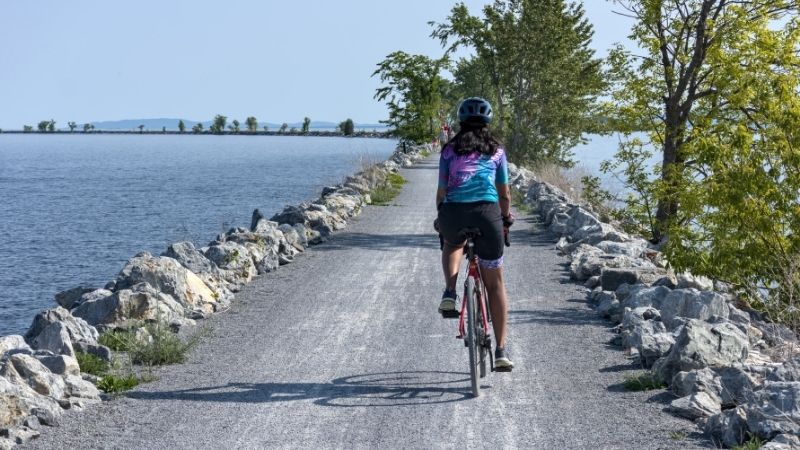
Advancing Sustainable Design in Recreational Trails and Embankments Presented by Cory Schneider
Trails and greenways play a vital role in communities by preserving and creating open spaces for low- or no-cost outdoor recreation. Trails designed with permeable surfaces rather than traditional concrete or asphalt allow for better environmental and stormwater management. Since recreational trails can be designed for a wide range of uses, including motorized and non-motorized traffic, it’s important to utilize a solution that is durable and flexible. In this webinar, we will explore a variety of soil stabilization and porous pavement products that can be tailored to the needs of individual projects—including those with hard-to-access areas and stormwater concerns. Multiple types of infill and anchoring methods allow for project customization, resulting in low-maintenance and attractive trails for years to come.
Trail embankment stabilization is another consideration when designing recreational trails. The embankments may be part of the existing natural terrain or result from cuts made to accommodate the construction of the new trails. Depending on embankment steepness, the GEOWEB® System can be used to stabilize slopes with single-layer protection or near-vertical, tiered retaining walls with a vegetated fascia. GEOWEB green slopes and living walls protect against erosion, reduce stormwater runoff, and create a natural environment for sustainable vegetation.
Learning Objectives:
- Understand the fundamentals of successful trail design and construction to reduce degradation caused by traffic and natural elements.
- Learn how different trail uses can affect the design and installation of a trail.
- Learn how trails can be built through wetlands and protected areas with minimal environmental impact. • Know what types of products are appropriate for projects with unique conditions. Learn how to ensure embankments along trails remain stable.
- Learn how the GEOWEB system can protect against erosive forces and reduce stormwater runoff.
I attest to having viewed the on-demand webinar and wish to proceed to my PDH certificate.
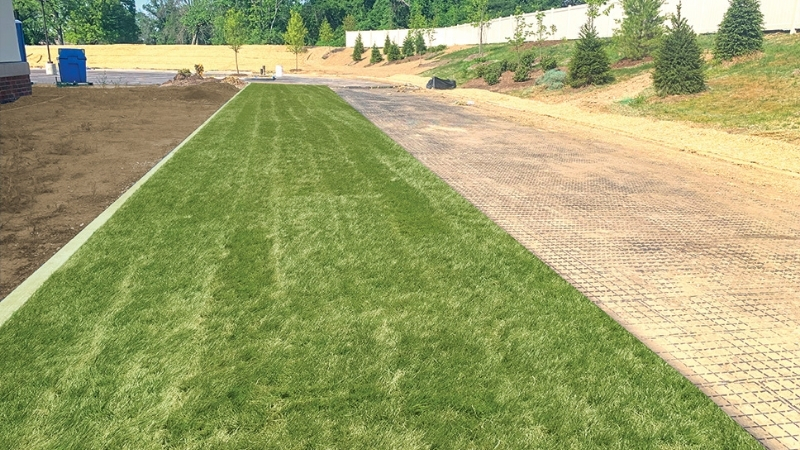
Building Fire Lane and Emergency Access Roads Presented by Sam Justice, P.E.
As our cities expand and new or renovated buildings are opened, it is vitally important to consider the need for emergency access of all areas of the community. Fire truck and emergency vehicle roads are necessary to allow these public health services access during an urgent situation. Although these drive lanes are intended for infrequent use, they must be designed to withstand the heavy loads of operational vehicles.
In this webinar, we will discuss how to incorporate geosynthetic reinforcement, including the GEOWEB® geocells, and rigid porous pavers like the GEOPAVE® Gravel Pavers and GEOBLOCK® Grass Pavers in constructing durable access roads. The discussion will include solutions for an array of applications, including concrete and asphalt support, gravel surface lanes, and vegetated surfaces for hidden emergency access roads.
Additionally, project case studies will highlight the versatility and effectiveness of these technologies. We’ll show how the GEOWEB® geocells can be used in soft soil environments, and in areas with extreme temperature variations, from cold to hot climates. Furthermore, we will explore how the GEOPAVE Gravel Pavers and GEOBLOCK Grass Pavers have been successfully utilized in environmentally sensitive locations, contributing to green building initiatives and sustainable urban development.
Learning Objectives:
- Gain an understanding of the innovative ways the GEOWEB® geocells can provide permanent stabilization solutions for a regulated building requirement.
- Learn how the rigid and flexible porous pavements perform under varying infill materials and traffic-loading conditions.
- Learn about projects using geosynthetic reinforcement in all weather conditions.
- Get tools and tips for how Presto Geosystems can help complete plan sets, bid packages, and specifying documents.
I attest to having viewed the on-demand webinar and wish to proceed to my PDH certificate.
Porous Pavement Solutions
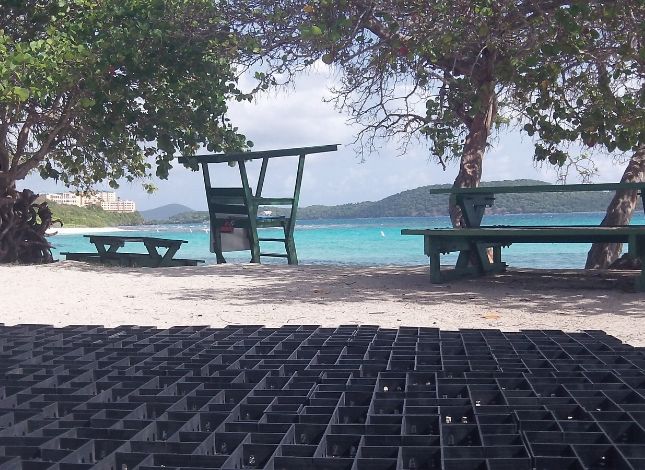
Smith Bay, Magen’s Bay
 St. Thomas, USVI
Soil Stabilization Solutions
Geocells Stabilize Green Roof on Steep-Sloped Hobbit House
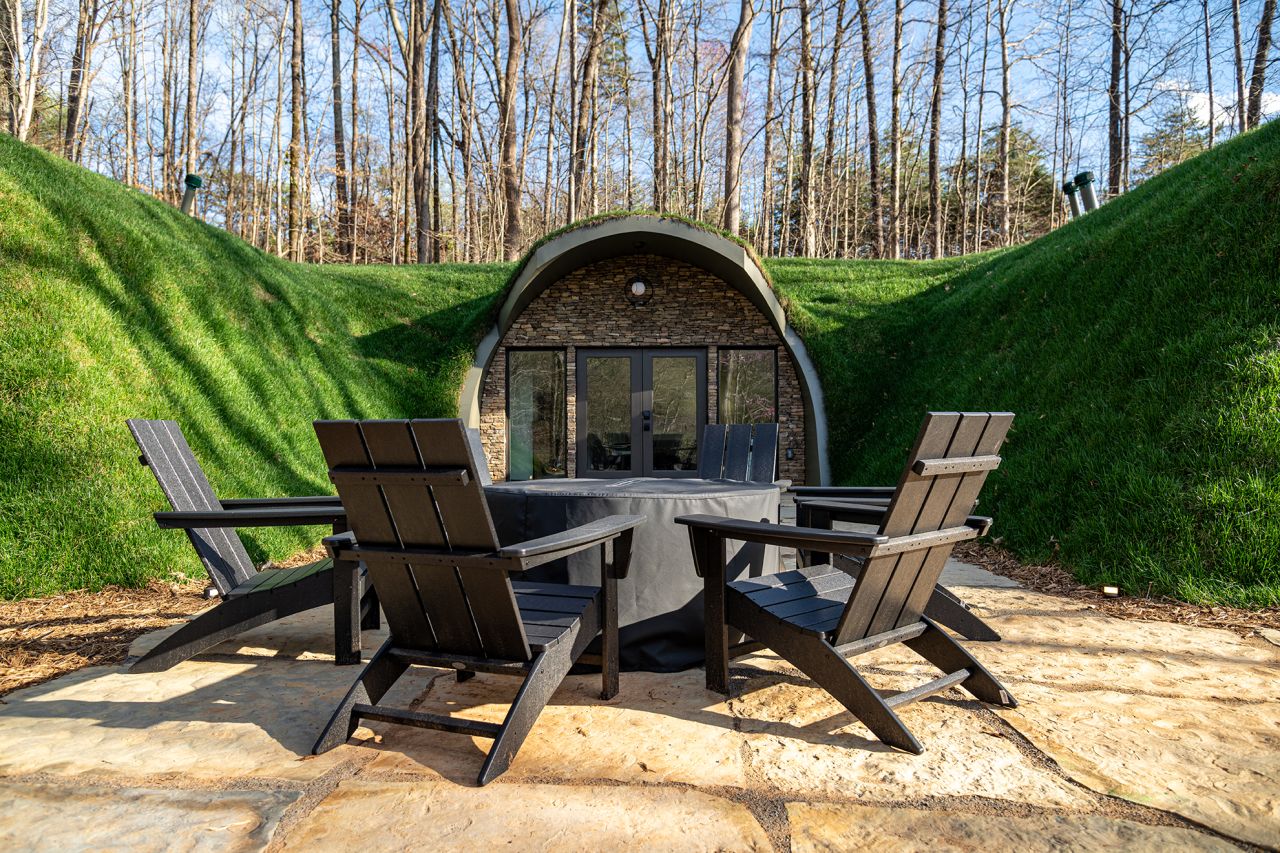
Hobbit House
Knoxville, Tennessee
Porous Pavement Solutions
Permeable GEOPAVE® Gravel Driveway
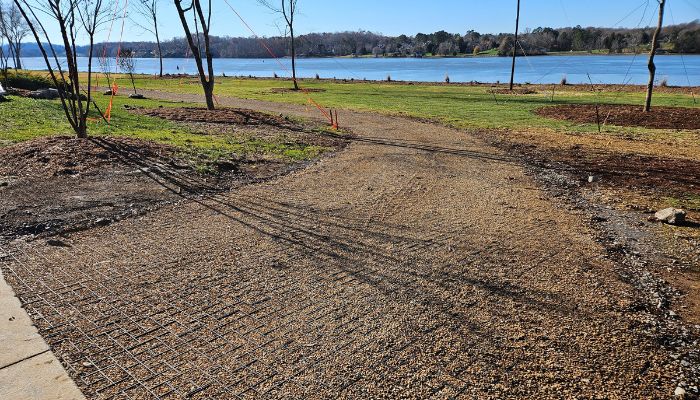
Tennessee Residential Driveway
Knoxville, TN


