GEOWEB Retaining Wall CAD Drawings
29 April 2026


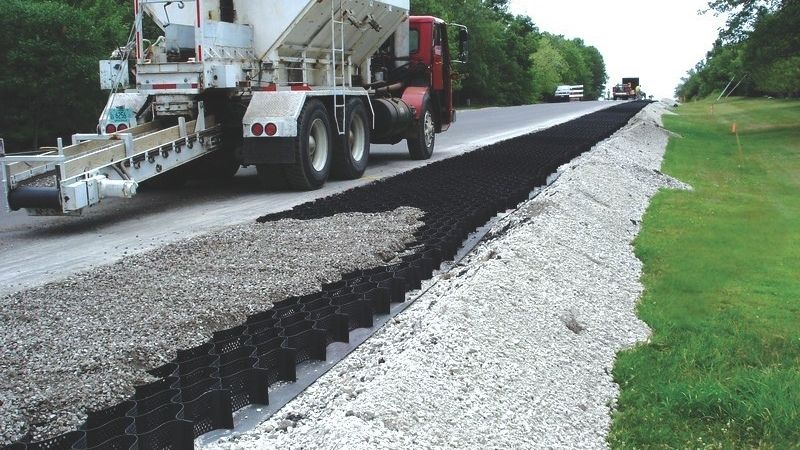
Infrastructure development for highways and road corridors faces many challenges when it comes to project design and construction. Building asphalt or concrete roadways over soft soils requires thick base layers of expensive stone, and pavement surfaces often fail just a few years after installation. Expanding road width requires steepening corridor embankments, leading to potential slope failure that can cause road closures and damage. Stormwater management alongside roads is an increasingly common concern due to limited construction space and larger storm events.
Presto Geosystems provides cost-effective, low-maintenance, quality solutions for all of these potential issues using our GEOWEB® 3D Soil Stabilization System. In this webinar, we will discuss how to utilize these solutions to address the challenges of aging infrastructure.
Learning Objectives:
I attest to having viewed the on-demand webinar and wish to proceed to my PDH certificate.
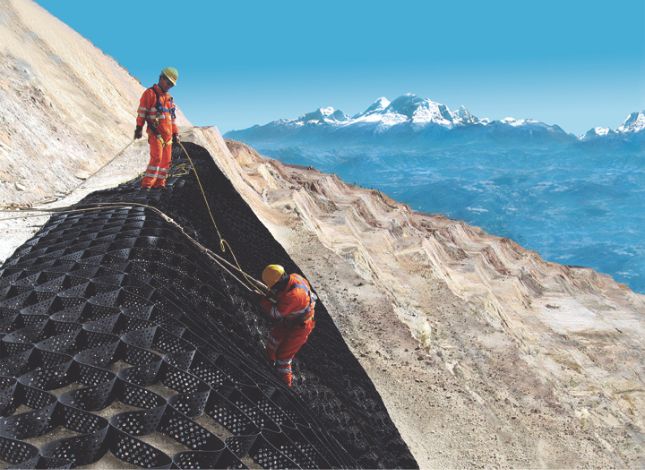
Earthen slopes are naturally susceptible to erosion due to gravity, water, and surcharge loads. Slope failure can lead to unsightly conditions, landscape and property damage, and costly repairs. The GEOWEB® Soil Stabilization System protects soil slopes against these erosive forces. Even extremely steep or tall slopes can be secured with the GEOWEB system. Multiple types of infill and anchoring methods allow for project customization, resulting in a low-maintenance and attractive slope for years to come.
Learning Objectives:
I attest to having viewed the on-demand webinar and wish to proceed to my PDH certificate.

Today’s increasingly stringent environmental regulations continue to create the need for Low Impact Development (LID) and Green Infrastructure (GI) management on project sites. New and innovative methods must be used to limit hard surfaces such as parking lots, walkways, and emergency access lanes. Land access is at a premium, and areas of environmental protection are increasing, requiring builders and engineers to work with regulators to utilize both LID and GI practices.
Porous pavements are an easy and economical way to reduce the impervious surfaces on-site and restore the natural water cycle close to its source. Porous pavements have the added benefit of reducing the size of above-ground detention ponds and minimizing conveyance and treatment infrastructure. Stormwater diversion channels, roadside swales, and drainage ditches can be constructed with low-maintenance solutions, protecting against erosion and overflow concerns. Living green walls increase the amount of vegetation on-site, help promote water filtration from higher elevations, and allow access to more valuable land.
Learning Objectives:
I attest to having viewed the on-demand webinar and wish to proceed to my PDH certificate.
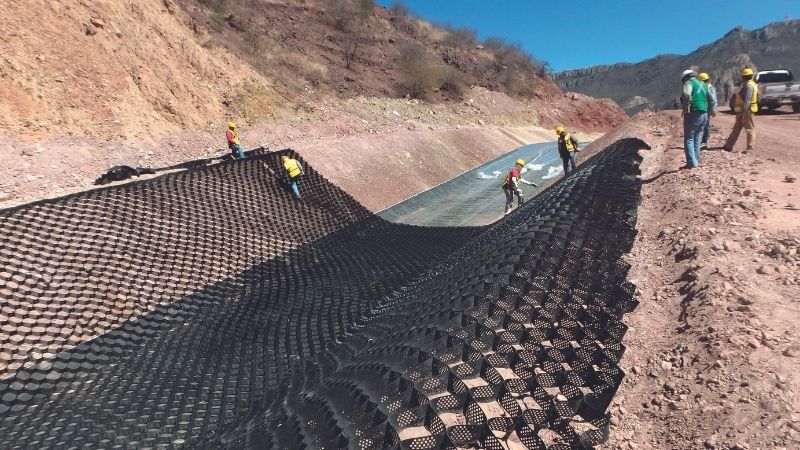
Join Presto Geosystems for a research-driven webinar showcasing the hydraulic performance of the GEOWEB® Channel Protection System. Based on accredited testing conducted at the Colorado State University Hydraulics Lab, this session highlights how the GEOWEB system performs in high-flow, steep-slope environments and offers a sustainable alternative to traditional hard armoring methods.
Learning Objectives
I attest to having viewed the on-demand webinar and wish to proceed to my PDH certificate.
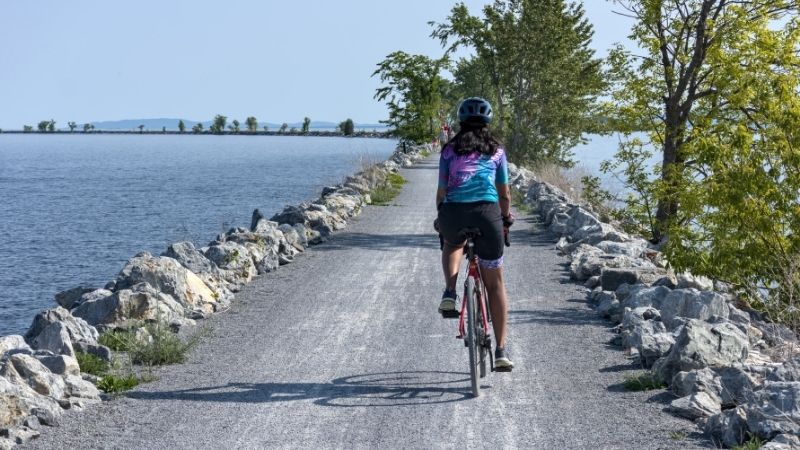
Trails and greenways play a vital role in communities by preserving and creating open spaces for low- or no-cost outdoor recreation. Trails designed with permeable surfaces rather than traditional concrete or asphalt allow for better environmental and stormwater management. Since recreational trails can be designed for a wide range of uses, including motorized and non-motorized traffic, it’s important to utilize a solution that is durable and flexible. In this webinar, we will explore a variety of soil stabilization and porous pavement products that can be tailored to the needs of individual projects—including those with hard-to-access areas and stormwater concerns. Multiple types of infill and anchoring methods allow for project customization, resulting in low-maintenance and attractive trails for years to come.
Trail embankment stabilization is another consideration when designing recreational trails. The embankments may be part of the existing natural terrain or result from cuts made to accommodate the construction of the new trails. Depending on embankment steepness, the GEOWEB® System can be used to stabilize slopes with single-layer protection or near-vertical, tiered retaining walls with a vegetated fascia. GEOWEB green slopes and living walls protect against erosion, reduce stormwater runoff, and create a natural environment for sustainable vegetation.
Learning Objectives:
I attest to having viewed the on-demand webinar and wish to proceed to my PDH certificate.
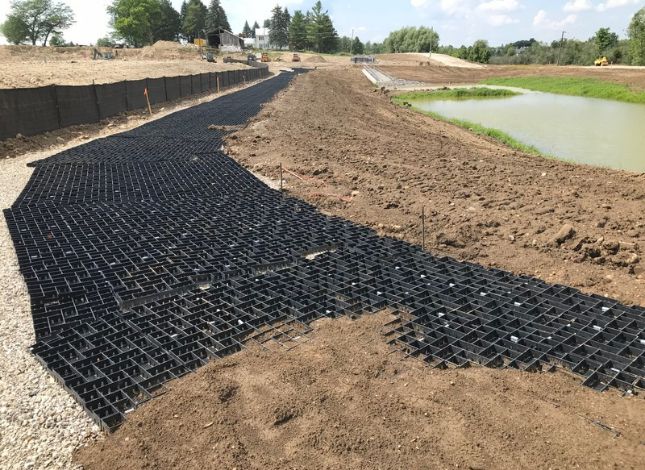
 Guelph, Ontario, Canada
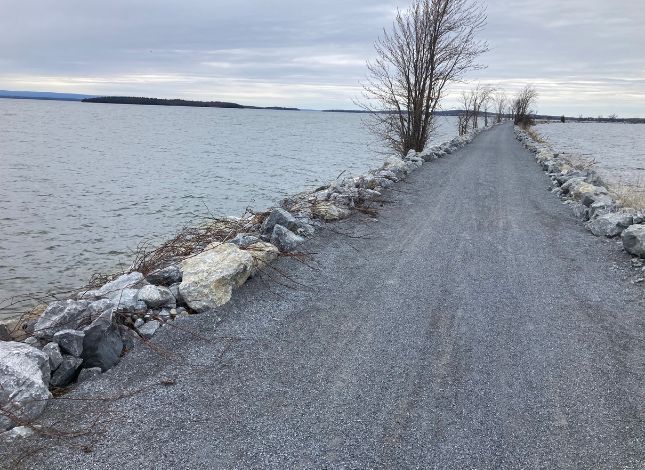 Vermont
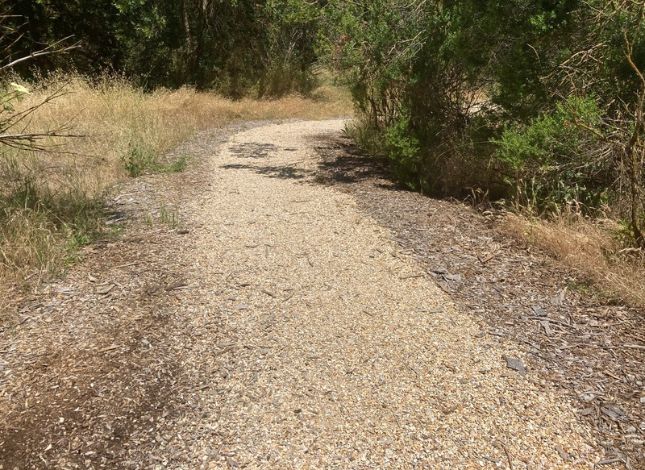 Davis, CA


